
“`html
5 Proven Tips to Improve Your Healthy Life: A Comprehensive Guide
In today’s fast-paced world, the pursuit of a “healthy life” often feels like a moving target. With conflicting dietary advice, fitness trends that come and go, and the increasing stress of modern living, many people feel overwhelmed. However, achieving long-term wellness doesn’t require a complete lifestyle overhaul overnight. Instead, it is built upon foundational habits that are sustainable, science-backed, and practical.
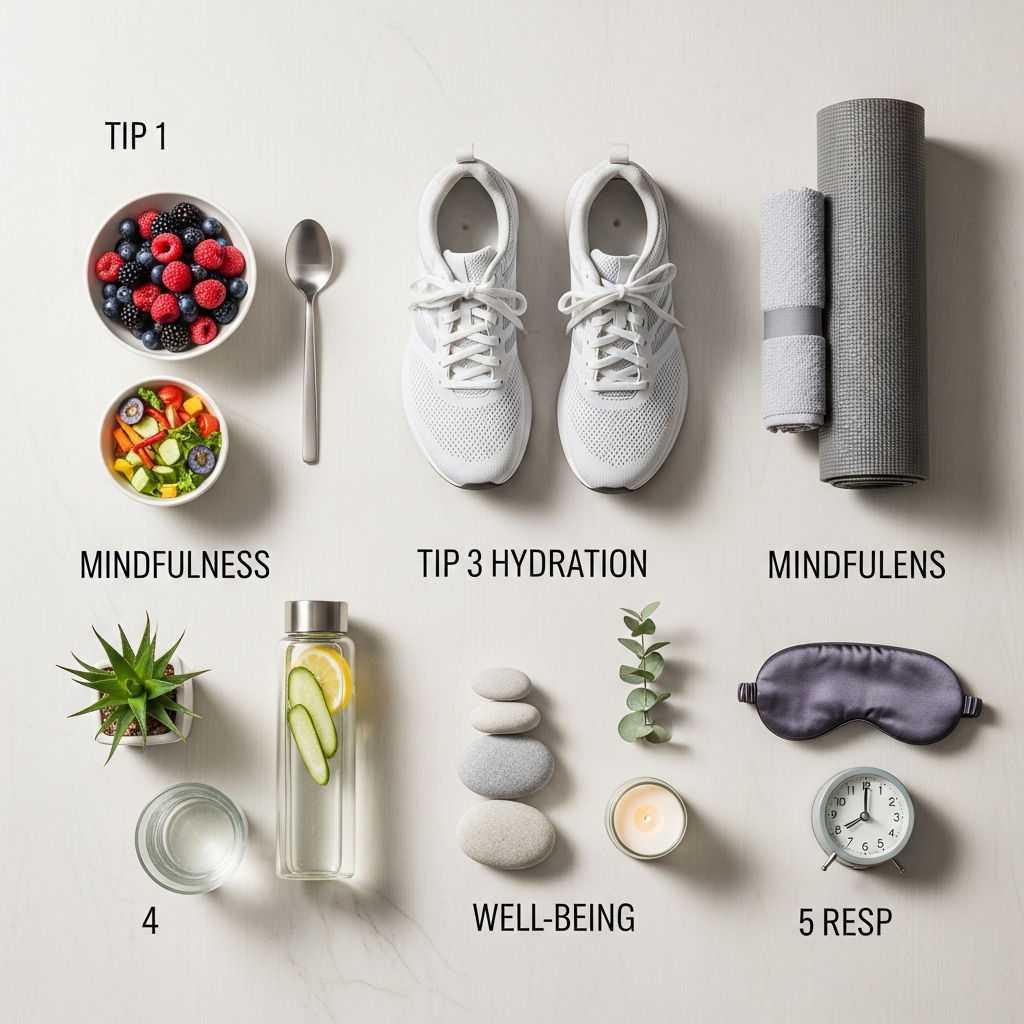
Living a healthy life is about more than just the absence of disease; it is a state of complete physical, mental, and social well-being. By focusing on a few core pillars, you can significantly enhance your energy levels, mood, and longevity. Here are five proven tips to improve your healthy life and sustain it for years to come.
1. Prioritize Whole-Food Nutrition and Balanced Eating
Nutrition is the bedrock of health. Every cell in your body is constructed from the nutrients you consume. To improve your healthy life, you must move away from highly processed “convenience” foods and return to whole, nutrient-dense ingredients. Processed foods are often loaded with hidden sugars, excessive sodium, and unhealthy fats that trigger inflammation and energy crashes.
Focus on Micronutrient Density
Rather than just counting calories, focus on the quality of those calories. A diet rich in colorful vegetables, fruits, lean proteins, and healthy fats provides the vitamins and minerals necessary for metabolic function. Aim to fill half your plate with non-starchy vegetables like spinach, kale, broccoli, and peppers.
The Power of Fiber and Protein
- Fiber: Found in legumes, whole grains, and vegetables, fiber is essential for gut health, regulating blood sugar, and keeping you full.
- Protein: Essential for muscle repair and immune function. Incorporate sources like eggs, poultry, fish, beans, or tofu into every meal.
Adopting the “80/20 rule”—eating nutrient-dense foods 80% of the time while allowing for occasional treats the other 20%—is often more sustainable than restrictive dieting. This balance prevents the “binge-and-restrict” cycle and fosters a healthier relationship with food.
2. Incorporate Consistent and Varied Physical Activity
Physical activity is perhaps the closest thing we have to a “miracle drug.” Regular movement reduces the risk of chronic diseases such as heart disease, type 2 diabetes, and certain cancers. However, many people fail because they view exercise as a chore or a punishment for what they ate.
Move Beyond the Gym
To improve your healthy life, you need to find movement that you enjoy. This could be dancing, hiking, swimming, or playing a sport. The goal is to reduce sedentary behavior. NEAT (Non-Exercise Activity Thermogenesis), which includes walking the dog or taking the stairs, plays a massive role in daily caloric expenditure and metabolic health.
The Importance of Resistance Training
As we age, we naturally lose muscle mass (sarcopenia). Resistance training—using weights, bands, or bodyweight—is crucial for maintaining bone density, metabolic rate, and functional independence. Aim for at least two sessions of strength training per week, complemented by 150 minutes of moderate-intensity aerobic activity.
3. Master Your Sleep Hygiene
Sleep is often the most neglected pillar of health. You can eat perfectly and exercise daily, but if you are chronically sleep-deprived, your body cannot repair itself. Lack of sleep is linked to impaired cognitive function, weight gain, weakened immunity, and increased stress hormones.
The Science of the Circadian Rhythm
Your body operates on a 24-hour internal clock known as the circadian rhythm. Disrupting this clock by staying up late or looking at blue screens (phones and tablets) before bed can suppress melatonin production. This makes it harder to fall asleep and reduces the quality of the sleep you do get.
Tips for Better Sleep Quality:
- Consistency: Go to bed and wake up at the same time every day, even on weekends.
- Environment: Keep your bedroom cool, dark, and quiet. Consider black-out curtains or a white noise machine.
- Digital Detox: Turn off electronic devices at least 60 minutes before bed to allow your brain to wind down.
Aim for 7 to 9 hours of quality sleep per night. High-quality sleep improves hormonal balance, specifically ghrelin and leptin, which control hunger and fullness cues.

4. Cultivate Mental and Emotional Well-being
A healthy life is incomplete without mental clarity and emotional resilience. Chronic stress is a silent killer; it elevates cortisol levels, which can lead to systemic inflammation and heart problems. Managing your mental health is just as important as managing your cholesterol.
Mindfulness and Meditation
Practicing mindfulness—the act of being present in the moment—has been shown to reduce anxiety and improve focus. Even five minutes of deep breathing or guided meditation daily can lower your heart rate and calm the nervous system. This “down-regulation” is essential for long-term health.
Social Connections
Human beings are social creatures. Studies consistently show that individuals with strong social ties and a sense of community live longer, healthier lives. Make time for meaningful conversations, nurture your friendships, and don’t be afraid to seek professional help from a therapist if you’re struggling emotionally.
Setting boundaries is also a vital part of mental health. Learning to say “no” to excessive commitments prevents burnout and ensures you have the energy to care for yourself.
5. Stay Hydrated and Mindful of Substance Intake
The human body is approximately 60% water. Every system depends on hydration to function, from flushing out toxins to lubricating joints and transporting nutrients. Dehydration often masquerades as hunger or fatigue, leading people to eat unnecessarily or consume caffeine for a false energy boost.
The Hydration Rule
While the “8 glasses a day” rule is a good baseline, your actual needs depend on your activity level and climate. A better indicator is the color of your urine; it should be pale yellow. Carry a reusable water bottle with you to ensure you’re sipping throughout the day.
Mindful Consumption
To truly improve your healthy life, you must be honest about your intake of sugar, alcohol, and caffeine.
- Sugar: Excess sugar consumption is a primary driver of obesity and insulin resistance. Replace sugary sodas with sparkling water or herbal teas.
- Alcohol: While social drinking is common, alcohol is a toxin that disrupts sleep and liver function. Limiting intake to moderate levels (or eliminating it) can lead to immediate improvements in skin, mood, and weight management.
Conclusion: The Path to Long-Term Success
Improving your healthy life is not about achieving perfection; it is about making better choices more often than not. The five pillars—nutrition, movement, sleep, mental health, and hydration—work synergistically. When you sleep better, you have more energy to exercise. When you exercise, you often feel motivated to eat better. When you eat better, your mental clarity improves.
The secret to success lies in consistency over intensity. Don’t try to change everything at once. Pick one area, such as improving your sleep or increasing your daily water intake, and master it for two weeks before moving on to the next. By taking small, deliberate steps, you will build a foundation for a vibrant, healthy life that lasts a lifetime.
“`